LG Candy vs Ulefone Note 8
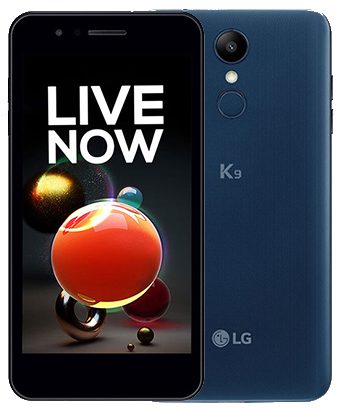
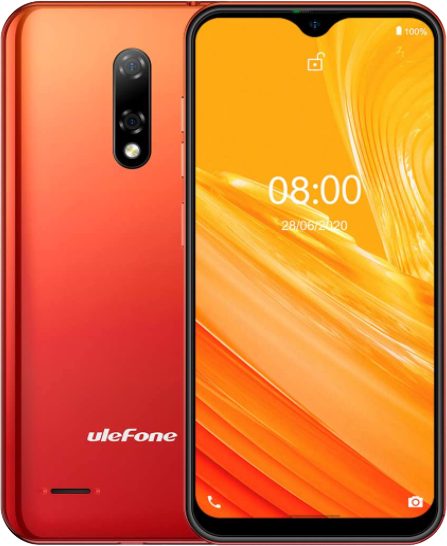
Verdict
LG Candy and Ulefone Note 8 are evenly matched for most people
Overall score
4 LG Candy 2 Ulefone Note 8
Why pick LG Candy
- Sharper screen (294 ppi vs 192 ppi)
- 1080p 30fps video recording (vs 720p 30fps)
Why pick Ulefone Note 8
- 13% cheaper
- 0 h 33 min longer battery life Estimated
LG Candy and Ulefone Note 8 are evenly matched for gaming
Overall score
4 LG Candy 2 Ulefone Note 8
Why pick LG Candy
- Sharper screen (294 ppi vs 192 ppi)
Why pick Ulefone Note 8
- 13% cheaper
- 0 h 33 min longer battery life Estimated
LG Candy and Ulefone Note 8 are evenly matched for photos and video
Overall score
4 LG Candy 2 Ulefone Note 8
Why pick LG Candy
- 1080p 30fps video recording (vs 720p 30fps)
- Sharper screen (294 ppi vs 192 ppi)
Why pick Ulefone Note 8
- 13% cheaper
- 0 h 33 min longer battery life Estimated
LG Candy and Ulefone Note 8 are evenly matched for battery life
Overall score
3 LG Candy 2 Ulefone Note 8
Why pick LG Candy
- Sharper screen (294 ppi vs 192 ppi)
- 1080p 30fps video recording (vs 720p 30fps)
Why pick Ulefone Note 8
- 0 h 33 min longer battery life Estimated
- 13% cheaper
LG Candy launched more than three years ago, so it has no value-for-money score
Overall score
— LG Candy — Ulefone Note 8
Why pick LG Candy
- Sharper screen (294 ppi vs 192 ppi)
- 1080p 30fps video recording (vs 720p 30fps)
Why pick Ulefone Note 8
- 13% cheaper
- 0 h 33 min longer battery life Estimated
LG Candy launched in 2018 and Ulefone Note 8 in 2020, so the older phone may get fewer software updates.
Scores by category
- LG Candy
- Ulefone Note 8
Performance
1 LG Candy 1 Ulefone Note 8Estimated
Display
11 LG Candy 3 Ulefone Note 8Camera
3 LG Candy 1 Ulefone Note 8Battery
2 LG Candy 2 Ulefone Note 8Estimated
Build and durability
9 LG Candy 4 Ulefone Note 8Connectivity and features
1 LG Candy 1 Ulefone Note 8
Biggest differences
See all specs Spec LG CandyUlefone Note 8 Ahead by
Pixel density Better: 294 ppi192 ppi +53%
Battery life (active use) 6 h 58 minEstimatedBetter: 7 h 31 minEstimated +0 h 33 min
Best video mode Better: 1080p 30fps720p 30fps
Size and weight
- LG Candy
- Ulefone Note 8
Full specs
General
Specs LG CandyUlefone Note 8
Announced
Saturday, 01 September 2018
Friday, 28 August 2020
Released
Saturday, 01 September 2018
Friday, 28 August 2020
Status
Discontinued
Discontinued
Design
Specs LG CandyUlefone Note 8
Height
146.3 mm (5.76 inch)
141.7 mm (5.58 inch)
Width
73.2 mm (2.88 inch)
66.5 mm (2.62 inch)
Thickness
8.2 mm (0.32 inch)
12 mm (0.47 inch)
Weight
152 g (5.36 oz)
153 g (5.40 oz)
Build materials
Back: Plastic
Frame: Plastic
Front: Glass
Frame: Plastic
Front: Glass
—
Colors
Black, Blue, Gold, Silver
Amber Sunrise, Black, Midnight Green
Display
Specs LG CandyUlefone Note 8
Display type
IPS LCD
IPS LCD
Display size
5 inch
5.5 inch
Resolution
720 × 1280 pixels
442 × 960 pixels
Aspect ratio
16:9
19.5:9
Pixel density
Better:
294 ppi
192 ppi
Screen-to-body ratio
≈ 64.4%
≈ 78.7%
Touchscreen
Yes
Yes
Bezel-less display
Yes
Yes
Display features
Capacitive Touchscreen
Multi-touch display
Multi-touch display
Capacitive Touchscreen
Multi-touch display
Multi-touch display
Hardware
Specs LG CandyUlefone Note 8
Chipset
Qualcomm Snapdragon 210
MediaTek MT6580
CPU cores
4
4
CPU technology
28 nm
28 nm
CPU max speed
1.1 GHz
1.3 GHz
CPU architecture
32-bit
32-bit
Microarchitecture
Cortex-A7
Cortex-A7
Memory type
LPDDR3
LPDDR3
GPU
Qualcomm Adreno 304
ARM Mali-400 MP2
RAM
2GB
2GB
Storage
16GB
16GB
Storage type
—
eMMC 5.1
Variants
16GB 2GB RAM
16GB 2GB RAM
Expandable storage
Yes
Yes
Card slots
microSDHC
microSDXC
Software
Specs LG CandyUlefone Note 8
Operating system
Android 7.1 (Nougat)
Android 10 (Quince Tart)
Google Play Services
Yes
—
Main camera
Specs LG CandyUlefone Note 8
Camera support
Yes
Yes
Dual camera
—
5 MP, ƒ/2.8
2 MP
2 MP
Single camera
8 MP
Auto Flash
—
Flash support
Yes
Yes
Flash type
LED flash
LED flash
Features
High Dynamic Range (HDR)
Continuous shooting mode
Digital Zoom
Exposure Compensation
Geotagging
High Dynamic Range (HDR)
ISO Settings
Panorama
Digital Zoom
Exposure Compensation
Geotagging
High Dynamic Range (HDR)
ISO Settings
Panorama
Video support
Yes
Yes
Video resolution
1080p @ 30 fps
720p @ 30 fps
Front camera
Specs LG CandyUlefone Note 8
Camera support
Yes
Yes
Single camera
5 MP
2 MP
Battery
Specs LG CandyUlefone Note 8
Type
Li-Ion
Li-Ion
Capacity
2500 mAh
2700 mAh
Removability
Removable
—
Network
Specs LG CandyUlefone Note 8
Cellular connectivity
—
Yes
SIM cards
Dual SIM (Nano-SIM + Nano-SIM)
—
VoLTE support
Yes
—
Data speed
LTE, HSPA
HSPA 21.1/5.76 Mbps
Connectivity
Specs LG CandyUlefone Note 8
Wi-Fi support
Yes ( Wi-Fi 4 )
Yes ( Wi-Fi 4 )
Wi-Fi standards
802.11/b/g/n
802.11/b/g/n
Wi-Fi features
Mobile Hotspot, Wi-Fi Direct
Mobile Hotspot
Bluetooth
Yes, v4.2
Yes, v4.2
USB ports
Micro-USB 2.0
Micro-USB 2.0
USB connectivity
USB charging, USB Mass Storage device (UMS)
USB charging, USB Mass Storage device (UMS)
GPS support
Yes
Yes
GPS features
GPS
GPS
NFC support
No
No
Multimedia
Specs LG CandyUlefone Note 8
Loudspeaker
Yes
Yes
Headphone jack
Yes
Yes
FM radio
Yes
Yes
Features
Specs LG CandyUlefone Note 8
Sensors
Accelerometer
Fingerprint Sensor
Proximity sensor
Fingerprint Sensor
Proximity sensor
Accelerometer
These phones share every spec listed here.
Compare with other phones




How scores work
Each category score shows where a phone stands among phones launched in the last two years: 80 means it beats 80% of them. Scores move as new phones arrive.
Benchmarks, battery and brightness come from lab tests when the phone was tested. Otherwise the scores use results typical for its chipset, or an estimate from its specifications, and say so.
The camera score rates the hardware (sensor size, lens brightness, stabilization, zoom and video), not the photos themselves.
Small differences people would not notice, such as 120 Hz against 144 Hz, never count as a win. Size and weight are shown but never scored, because bigger is a preference.
Value compares a phone's overall score with what phones at the same price usually score. Phones launched more than three years ago get no value score, because their listed prices are usually used or clearance prices.