HTC Wildfire E plus vs Ulefone Note 13P vs Nokia C31
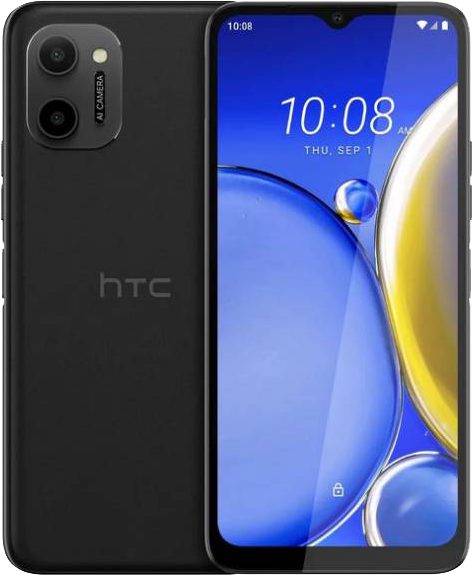
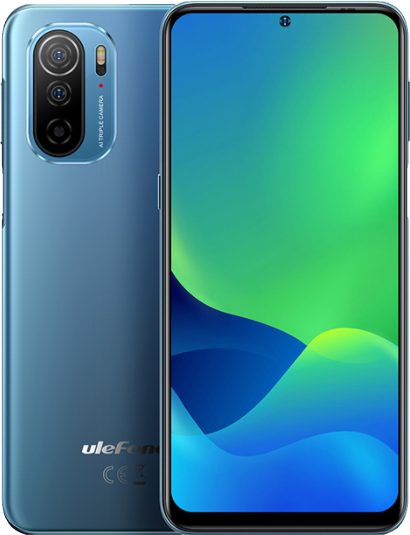
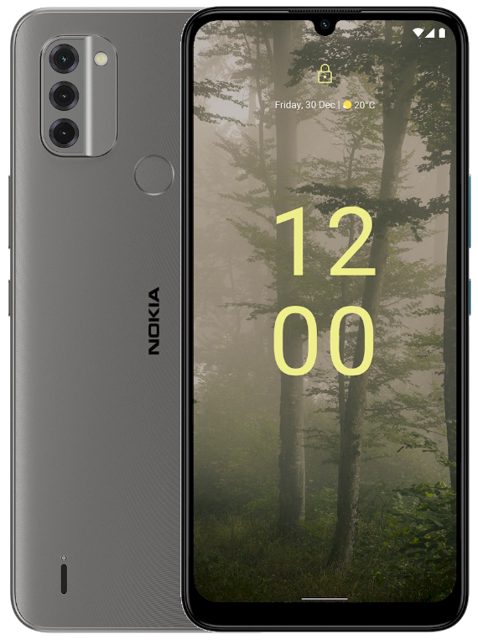
Verdict
Ulefone Note 13P is clearly better for most people
Overall score
- HTC Wildfire E plus 10
- Ulefone Note 13P 22
- Nokia C31 7
Why pick HTC Wildfire E plus
No clear advantage here
Why pick Ulefone Note 13P
- Sharper screen (405 ppi vs 269 ppi)
- NFC for contactless payments
- 2.2× faster overall Estimated
- Sharper selfie camera (16 MP vs 5 MP)
Why pick Nokia C31
No clear advantage here
Ulefone Note 13P is clearly better for gaming
Overall score
- HTC Wildfire E plus 9
- Ulefone Note 13P 21
- Nokia C31 7
Why pick HTC Wildfire E plus
No clear advantage here
Why pick Ulefone Note 13P
- 2.2× faster overall Estimated
- Sharper screen (405 ppi vs 269 ppi)
- NFC for contactless payments
- Faster Wi-Fi 5 (vs Wi-Fi 4)
Why pick Nokia C31
No clear advantage here
Ulefone Note 13P is much better for photos and video
Overall score
- HTC Wildfire E plus 8
- Ulefone Note 13P 27
- Nokia C31 6
Why pick HTC Wildfire E plus
No clear advantage here
Why pick Ulefone Note 13P
- Sharper selfie camera (16 MP vs 5 MP)
- Sharper screen (405 ppi vs 269 ppi)
- 2.2× faster overall Estimated
- Higher-resolution main camera (20 MP vs 13 MP)
Why pick Nokia C31
No clear advantage here
HTC Wildfire E plus and Ulefone Note 13P are evenly matched for battery life
Overall score
- HTC Wildfire E plus 17
- Ulefone Note 13P 17
- Nokia C31 8
Why pick HTC Wildfire E plus
No clear advantage here
Why pick Ulefone Note 13P
- Sharper screen (405 ppi vs 269 ppi)
- NFC for contactless payments
- 2.2× faster overall Estimated
- Faster Wi-Fi 5 (vs Wi-Fi 4)
Why pick Nokia C31
No clear advantage here
HTC Wildfire E plus launched more than three years ago, so it has no value-for-money score
Overall score
- HTC Wildfire E plus —
- Ulefone Note 13P —
- Nokia C31 —
Why pick HTC Wildfire E plus
No clear advantage here
Why pick Ulefone Note 13P
- Sharper screen (405 ppi vs 269 ppi)
- NFC for contactless payments
- 2.2× faster overall Estimated
- Sharper selfie camera (16 MP vs 5 MP)
Why pick Nokia C31
No clear advantage here
Scores by category
- HTC Wildfire E plus
- Ulefone Note 13P
- Nokia C31
Performance
- HTC Wildfire E plus 1
- Ulefone Note 13P 22
- Nokia C31 6
Estimated
Display
- HTC Wildfire E plus 9
- Ulefone Note 13P 30
- Nokia C31 8
Camera
- HTC Wildfire E plus 5
- Ulefone Note 13P 33
- Nokia C31 5
Battery
- HTC Wildfire E plus 27
- Ulefone Note 13P 12
- Nokia C31 9
Estimated
Build and durability
- HTC Wildfire E plus 9
- Ulefone Note 13P 4
- Nokia C31 9
Connectivity and features
- HTC Wildfire E plus 5
- Ulefone Note 13P 24
- Nokia C31 1
Biggest differences
See all specsSize and weight
- HTC Wildfire E plus
- Ulefone Note 13P
- Nokia C31
Full specs
General
Design
Frame: Plastic
Front: Glass
Frame: Plastic
Front: Glass
Display
Multi-touch display
Multi-touch display
Multi-touch display
Hardware
4x 1.8 GHz – Cortex-A53
64GB 4GB RAM
128GB 4GB RAM
Software
Main camera
2 MP ( Macro )
0.08 MP ( Auxiliary lens )
5 MP
2 MP ( Macro )
Digital Zoom
Exposure Compensation
Face detection
High Dynamic Range (HDR)
ISO Settings
Panorama
Touch to focus
Face detection
High Dynamic Range (HDR)
ISO Settings
Touch to focus
Front camera
Battery
Network
Connectivity
USB On-The-Go
Multimedia
Features
Compass / Magnetometer
Compass / Magnetometer
Fingerprint Sensor
Proximity sensor
Fingerprint Sensor
Proximity sensor
Radiation (SAR)
These phones share every spec listed here.
Compare with other phones



How scores work
Each category score shows where a phone stands among phones launched in the last two years: 80 means it beats 80% of them. Scores move as new phones arrive.
Benchmarks, battery and brightness come from lab tests when the phone was tested. Otherwise the scores use results typical for its chipset, or an estimate from its specifications, and say so.
The camera score rates the hardware (sensor size, lens brightness, stabilization, zoom and video), not the photos themselves.
Small differences people would not notice, such as 120 Hz against 144 Hz, never count as a win. Size and weight are shown but never scored, because bigger is a preference.
Value compares a phone's overall score with what phones at the same price usually score. Phones launched more than three years ago get no value score, because their listed prices are usually used or clearance prices.